 We’ve all been there - those awful networking events you cram into your schedule. You spend your precious time small talking with strangers. Sometimes you’ll end up with a business card or two, follow them on LinkedIN, but then little comes of the shallow connection. Last week, I got invited to a different kind of business networking group - and it involved Pickleball. When I first arrived at the courts in beautiful Coronado, California I wasn’t sure what to expect. But I knew that if I got to play some fun pickleball, the experience would be worth my time. The group was created by a successful entrepreneur named Simon who’s recent illness led him to discover the healing powers of Pickleball. When the 8 of us arrived at the courts, we stood in a circle. He encouraged us to not talk about our businesses yet - but share something about ourselves. In the beginning this involved simply drawing cards with unique questions for each of us. And this led to some surprisingly deep conversations right away. As we played, we laughed and learned more about each other -while getting great exercise. Afterwards, we headed to the hotel for a round of drinks. But this wasn't like other networking events where everyone stands at the bar, wondering how long they have to talk before shoving a business card in your hand. This was more like a fireside chat. We all sat in a circle, and shared about our businesses, challenges, needs. At the very end, Simon challenged us to schedule coffee dates with eachother before our next meeting. “Whoever sets the most coffee dates will get a prize,” he smiled. I am not sure what the “prize” is, but I feel like I’ve already won something. So far I’ve had 4 coffee meetings with members of the group and learned so much from each. Each person with a very different background, perspective, journey in life, but all entrepreneurial spirits with creative minds. I recently heard a podcast with Brian Grazer who published the book “A Curious Mind: The Secret to a Bigger Life”. It was all about how he challenged himself to meet a new person everyday without any expectations, just curiosity to see where that conversation would lead. Many of the people he met became inspirations for characters in his movies or story lines in his TV shows. As a writer, this intrigued me, and I thought about doing the same for a book I’m working on. However, especially as a woman, it's a bit more difficult to invite strangers to coffee, without them thinking you are hitting on them or have some sort of agenda. That’s why I am so appreciative of this new kind of Pickleball networking experience. The whole experience feels so real, comfortable and in only 1 week, I’ve learned a lot about some new people and ideas. I have no doubt this group will grow - and hopefully more people will start similar networking groups in this way. My hope is that more of us can get out from behind the computer, into the sunshine, where we can play, connect and grow as business owners and humans. Have you had a similar networking experience? I’d love to hear about it! 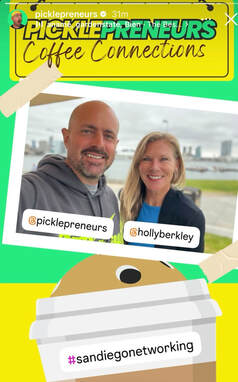 ***************************** Holly Berkley is a professional Internet Marketing Consultant and author of eight Internet Marketing books. She focuses on helping all size businesses increase online sales and dramatically boost web site traffic through proven online marketing concepts. Berkley’s most recent book is “The Social Media Advantage – An Essential Handbook for Small Business” Learn about her latest books and marketing services at www.BerkWeb.com
0 Comments
Destination Marketing Strategies: Tips to Increase Online Bookings for Unique Travel Experiences5/7/2024  As marketing director and co-owner of a remote area surfing and fishing lodge (www.theblackbasslodge.com) in Baja California, I've spent some time researching and testing various approaches to build awareness, attract new bookings, and encourage repeat business among our past guests. Our lodge is unlike your typical hotel or touristy location. In fact, we don’t even have a “real” address, so listing it on sites like Booking.com proved difficult. Marketing our unique property involves a lot of visual storytelling on social media in order to wind up in the discovery path of our very targeted audience - adventure travelers with a passion for fishing and surfing. Below are some observations and tips to get your unique travel destination in the research path of your target audience. Social Media as The New Search Platform In the past, travelers relied heavily on guidebooks and Google searches to discover new destinations. However, today, visual social media platforms like Instagram and TikTok have emerged as the go-to sources for travel inspiration and planning, particularly among the Gen Z demographic. Numerous studies have shown that 40% of young individuals now prefer Instagram and TikTok over Google for destination exploration. This shift underscores the importance of leveraging these platforms to showcase the allure of your destination through real customer photos, influencer endorsements, and compelling stories, thereby instilling confidence in potential visitors via “social proof”. Post Videos that Inspire Video content has emerged as a powerful tool for inspiring and informing travelers about new destinations. Platforms like YouTube, Instagram and Tik Tok provide an ideal canvas for destination marketers to showcase the highlights, activities, and experiences awaiting visitors - and quick 30 second videos are ideal. Post content that encourages curiosity, excitement and follow up questions. Encourage Repeat Customers Right now, our repeat customers (guests who return at least once a year) make up about 40% of our business. And each year, that number continues to grow. Social media is a great way to stay connected to them, but I find that email newsletters with special offers are also effective. Making guests feel extra special with discounts, invitations to special “owner's trips”, legacy rates, and “welcome back” gifts (something as simple as wine or case of beer when they arrive) are also great ways to encourage returning customers - and positive reviews.  Reach out to Influencers Collaborating with influencers, bloggers, podcasters and content creators further helps to reach niche audiences and tap into their engaged communities. And micro-influencers (those with a smaller but often more targeted following) tends to be more effective than the larger influencers. Everyone is looking for fresh content to share. Reaching out to these recognized industry professionals by offering story ideas of interest to their target audience (and yours) is a great way to get in the right discovery path. Experiment with Organic and Paid Social Media Strategies In the realm of social media marketing, businesses have two main avenues: organic and paid strategies. Organic social media entails the creation of non-paid content to foster brand awareness and community engagement, while paid ads offer a targeted approach to expanding reach and driving conversions. Both avenues are essential components of a comprehensive marketing strategy, each serving distinct objectives and catering to different stages of the customer journey. Test both approaches by using both social media and google analytics to track which campaigns offer the best ROI for your time and budget. Search Engine Marketing still Plays a Role Although social media is a top resource for discovering new destinations, search engines still play a role. Making sure your profiles are accurate and up-to-date on third-party platforms like TripAdvisor and Google My Business, will further help with overall exposure. And finally, making sure your own website is optimized for search engines and usability will help your guests make that final booking decision. Do you have additional insight and ideas for marketing unique destinations? I’d love to hear about it!  *****************************
Holly Berkley is a professional Online Marketing Consultant and author of eight Internet Marketing books. She focuses on helping all size businesses increase online sales and dramatically boost web site traffic through proven online marketing concepts. Berkley’s most recent book is “The Social Media Advantage – An Essential Handbook for Small Business” Learn about her latest books and marketing services at www.BerkWeb.com  I’ve helped a range of industries promote their services on various social media platforms, but for my B2B clients - especially those focused on building awareness around newer technologies and/or wanting to build thought leadership among their core team, LinkedIn is the front runner. In this blog, I’ve combined some basic “best practices” of LinkedIn marketing, along with some newer trends. As you read through this list, remember that creativity and innovation can set you apart on LinkedIn, but authenticity and value should always be at the core of your marketing efforts. Tailor your approach to your specific industry and target audience, and be prepared to adapt as LinkedIn continues to evolve. Here are 14 strategies that businesses can use to leverage LinkedIn for client acquisition: 1. Optimize Your LinkedIn Profile: Your LinkedIn profile serves as your digital business card. Make sure it's complete and up-to-date. Include a professional photo, a compelling headline, a concise and engaging summary, and a detailed work history. Keywords are essential here, as they make it easier for potential clients to find you through search. 2. Connect with Your Network: Building a strong network is one of the core principles of LinkedIn. Connect (and engage) with people you know and trust, including colleagues, clients, and industry contacts. Your immediate network can become a valuable source of referrals and introductions to potential clients. 3. Join and Engage in LinkedIn Groups: LinkedIn offers numerous groups centered around various industries, interests, and professions. Join relevant groups to connect with like-minded professionals and potential clients. Engage in discussions, share your expertise, and provide value to establish yourself as an industry authority. 4. Content Marketing: Posting regular, high-quality content on LinkedIn can help you establish yourself as a thought leader in your field. Share industry insights, success stories, and informative articles. Content marketing not only showcases your expertise but also attracts potential clients who are seeking solutions in your niche. 5. LinkedIn Ads: LinkedIn Ads can be a powerful way to target and reach potential clients. You can create sponsored content, display ads, and message ads tailored to specific demographics, job titles, and industries. It's a paid strategy, but it can yield significant results when used effectively. When I boost posts for my clients, I like to wait 1-2 days to see how the post does organically among their existing followers before boosting to a wider audience. 6. Direct Outreach: When you've identified potential clients, don't hesitate to reach out directly. Personalize your connection request or message, explaining how you can provide value to them. Building relationships and demonstrating your commitment to solving their problems can lead to meaningful client relationships. 7. Video Content: Video is a powerful medium for engaging with your audience. Use LinkedIn's native video feature to create short, informative videos that showcase your expertise, highlight client success stories, or provide quick tips. Video content tends to capture more attention and can help you stand out in a crowded feed. And like most social networks, LinkedIN favors content that keeps people engaged within the site - rather than having you link somewhere else (ie YouTube) to watch the video 8. LinkedIn Polls and Surveys: Engage your network by creating polls and surveys. This can be a fun and interactive way to gather insights and engage potential clients. You can use the results to tailor your services to meet their needs. 9. Content Collaboration: Collaborate with other professionals in your industry to create and share content. This can help you tap into each other's networks and expose your business to a wider audience. Although there are many ways to do this, the easiest is to tag partners whenever possible. 10. LinkedIn ProFinder: If your business offers professional services (e.g., consulting, writing, design), you can join LinkedIn ProFinder. It connects you with clients seeking your specific services, providing a streamlined way to find potential clients. 11. Employee Advocacy: Encourage your employees to actively engage on LinkedIn. When your team shares your company's content and advocates for your services, it amplifies your reach and helps in client acquisition. There is also an option to automatically notify employees when you post new content to your company page, so they can easily know when to share. 12. LinkedIn Recommendations: Rather than simply asking for recommendations for your profile, offer to write recommendations for others. When you write a thoughtful recommendation for someone, they're likely to return the favor. This can increase the visibility of your profile and foster goodwill in your network. 13. LinkedIn Open for Business: Use the "Open for Business" feature to indicate that you're open to new opportunities, collaborations, or client inquiries. It can help potential clients find you more easily. 14. LinkedIn Article Publishing: While this feature is not new, it's often underutilized. Publish in-depth articles or blog posts on LinkedIn to establish your authority and provide valuable insights to your connections. As with most social networks, LinkedIn favors posts that keep people engaged on the platform. That’s why it's better to post your article directly to LinkedIN, than link out to your own blog. Success on LinkedIn takes time and consistency. It's not just about finding clients; it's about building meaningful relationships and providing value to your connections. Nurture these relationships, and over time, they can lead to client referrals, partnerships, and even long-term business opportunities. Do you have another approach on LinkedIn that I should have included in this list? I’d love to hear about it. *****************************
Holly Berkley is a professional Online Marketing Consultant and author of eight Internet Marketing books. She focuses on helping all size businesses increase online sales and dramatically boost web site traffic through proven online marketing concepts. Berkley’s most recent book is “The Social Media Advantage – An Essential Handbook for Small Business” Learn about her latest books and marketing services at www.BerkWeb.com 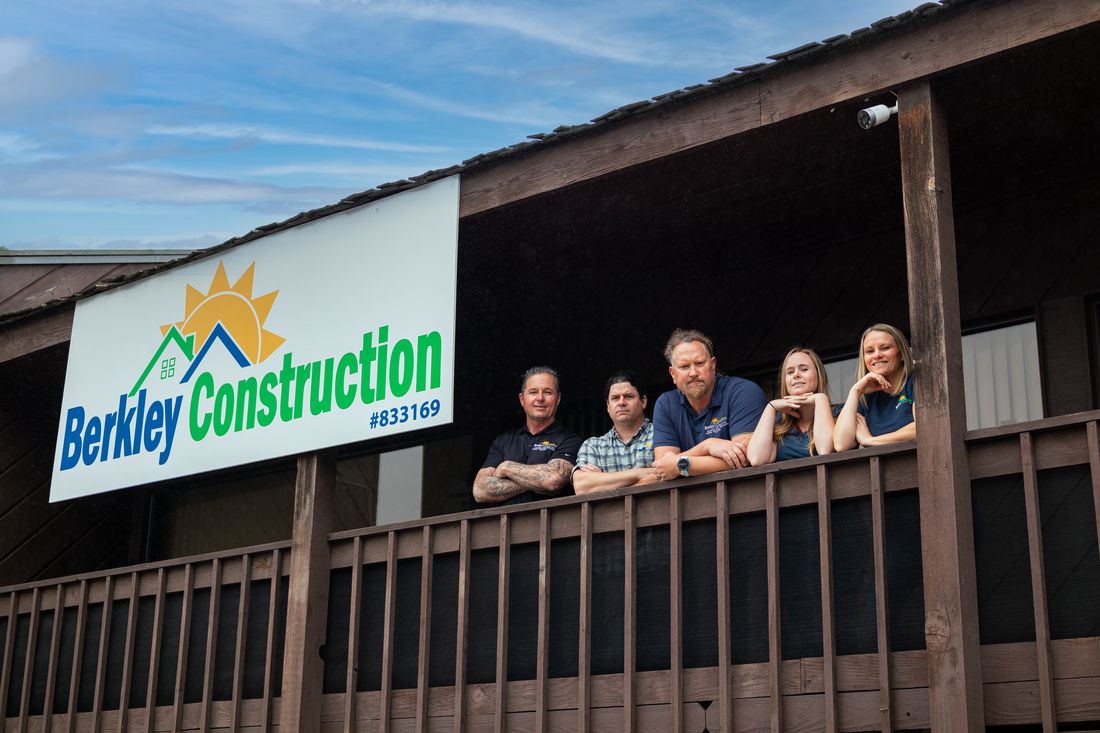 One of the perks of having a family of entrepreneurs is that it provides me with the opportunity to quickly test the latest Internet Marketing trends before recommending to my clients. During this process, sometimes we learn that the most time-tested tactics continue to prove most effective for our time + budget. And this is the case with our online marketing strategy for my husband’s company Berkley Construction. Here’s a look at how we are continuing to reach San Diego property owners. 1. Search Engine Marketing: Search engines continue to be the top resource for consumers to find (and confirm they want to do business with) new companies. In addition to writing keyword-friendly blogs and posting weekly content on social media (which helps with organic search engine optimization), I continue to purchase keyword terms on Google AdWords. For the construction industry, AdWords can be very expensive - upwards of $10 per click for phrases like “kitchen or bathroom remodel”. Whenever possible, I bid on longer tail keywords, and never select “broad match”. I’m also sure to add “negative” keywords to the list. Words like “jobs” and “courses” make sure we spend our limited budget on potential clients, rather than people looking for work or education. Finally, with a limited budget, we’ve narrowed our search terms to only appear in select zip codes, rather than all of San Diego county. This helps increase the value of the potential leads that click our keywords. 2. Referral Sites: Over the years, we’ve created profiles on a lot of construction related referral sites. We even recently started advertising on NextDoor. However, besides social media, the top referring website for us continues to be Houzz, and this is despite the fact that we don’t regularly post new projects. Plus I love that Houzz is free, and your project posts remain somewhat timeless. 3. Social Media: Despite Facebook's changes over the years that favor personal posts over company page posts, this social network still sends the most website traffic to Berkley Construction each month. Although when you look at our page, you don’t see a ton of visible engagement, in the backend, we see consistent clicks on posts that include links to our blog especially those with remodeling tips and ideas. For our new Instagram account, we find the most engagement and reach coming from our Instagram reels. The reels are short video clips with the CEO explaining some important things homeowners should know before starting a construction project. 4. Get Real Photos (Not Stock): No matter which social media platform we’re posting on, actual photos of our team and projects far outperform any stock image we use - no matter how beautiful that stock image may be. People react to familiar faces, and can tell the difference between a actual local project. As any small business owner knows, getting professional photos takes time and money, but the authenticity it brings to your marketing efforts is well worth it. 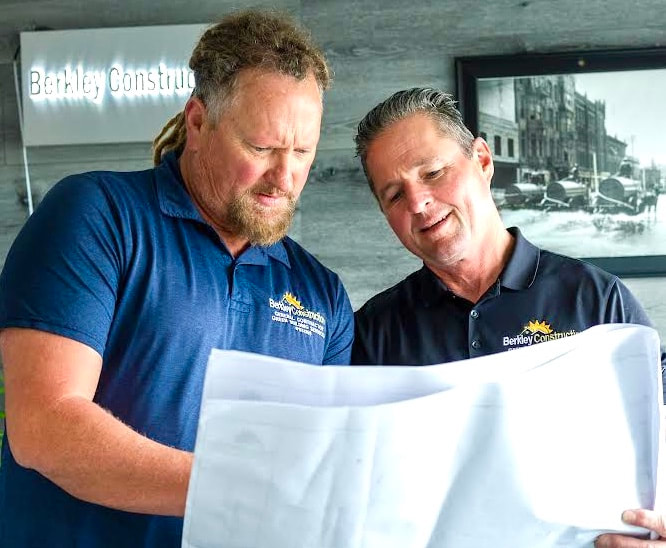 5. Chat GPT: No, I did not use Chat GPT to write this blog. But I have started using it for some of Berkley Construction's recent blogs - especially those blogs that double as informational and provide SEO benefits, for example “Top Construction Projects to Boost Your San Diego Home Value” or “Reasons to Add an Accessory Dwelling Unit (ADU) to your Backyard”. Although I still need to edit the posts, Chat GPT has become an incredible time saver when it comes to this type of more general, informative content. That’s a quick look at some of the ways we are marketing Berkley Construction. I welcome your suggestions on what you are doing to market your local company. *****************************
 Holly Berkley - Internet Marketing Consultant Holly Berkley - Internet Marketing Consultant You can still access my previous Internet Marketing blogs at https://sandiegomarketingonline.wordpress.com
Some of the top posts include:
|
AuthorHolly Berkley is a professional Online Marketing Consultant and author of eight Internet Marketing books. ArchivesCategories |
 RSS Feed